
Everyone has the right to be safe and free from sexual harassment while at work.
Likewise, everyone has a role to play in preventing workplace sexual harassment. However, there are different legal responsibilities depending on your role in the workplace.
Workers are responsible for taking reasonable care of their own health and safety while at work, and the health and safety of others who may be affected by what they do or do not do. This includes not sexually harassing others. While at work, workers must comply with any reasonable instructions, policies, and procedures given by their employer, including those related to workplace sexual harassment.
Employers are responsible for removing or reducing hazards and risks to workers’ health and safety. This includes taking action to prevent workplace sexual harassment.
Bystanders – In the context of sexual harassment, a bystander is a person who observes sexual harassment firsthand or hears about it subsequently. Active bystanders can play a role in reducing the harm of sexual harassment and ensuring there is no tolerance for sexist or sexually harassing behaviours in the workplace.
In the workplace, bystanders can include co-workers who are informed of workplace sexual harassment through the ’grapevine’ or are sought out by victims or harassers for support or advice. Bystanders also include a range of people formally authorised to receive reports of workplace sexual harassment, such as managers, supervisors, human resource employees or harassment contact officers.
What is Sexual Harrassment?
Sexual harassment is unlawful under the Sex Discrimination Act 1984 (Cth) and is characterised by
behaviour that is unwanted, sexual in nature, and reasonably anticipated to offend, humiliate, demean, or
intimidate.
Examples of sexual harassment include, but are not limited to: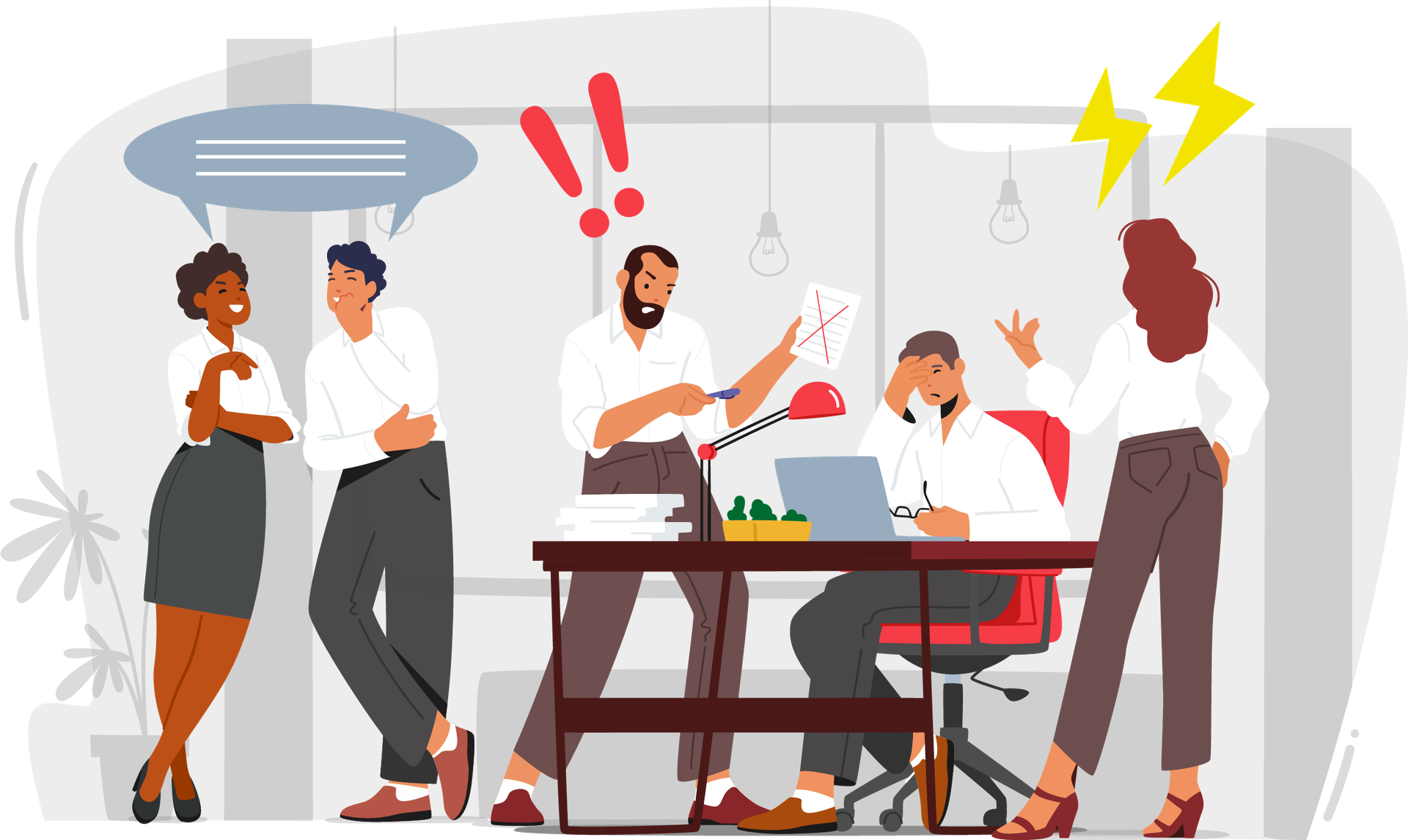
- staring or leering
- unnecessary familiarity, such as deliberately brushing up against you or unwelcome touching.
- suggestive comments or jokes
- insults or taunts of a sexual nature
- intrusive questions or statements about your private life
- displaying posters, magazines, or screen savers of a sexual nature
- sending sexually explicit emails, SMS, phone messages or social media
- inappropriate advances on social networking sites
- accessing sexually explicit internet sites
- requests for sex or repeated unwanted requests to go out on dates.
- behaviour that may also be considered to be an offence under criminal law, such as physical assault, indecent exposure, sexual assault, stalking or obscene communications.
Sexual Harrassment at Work: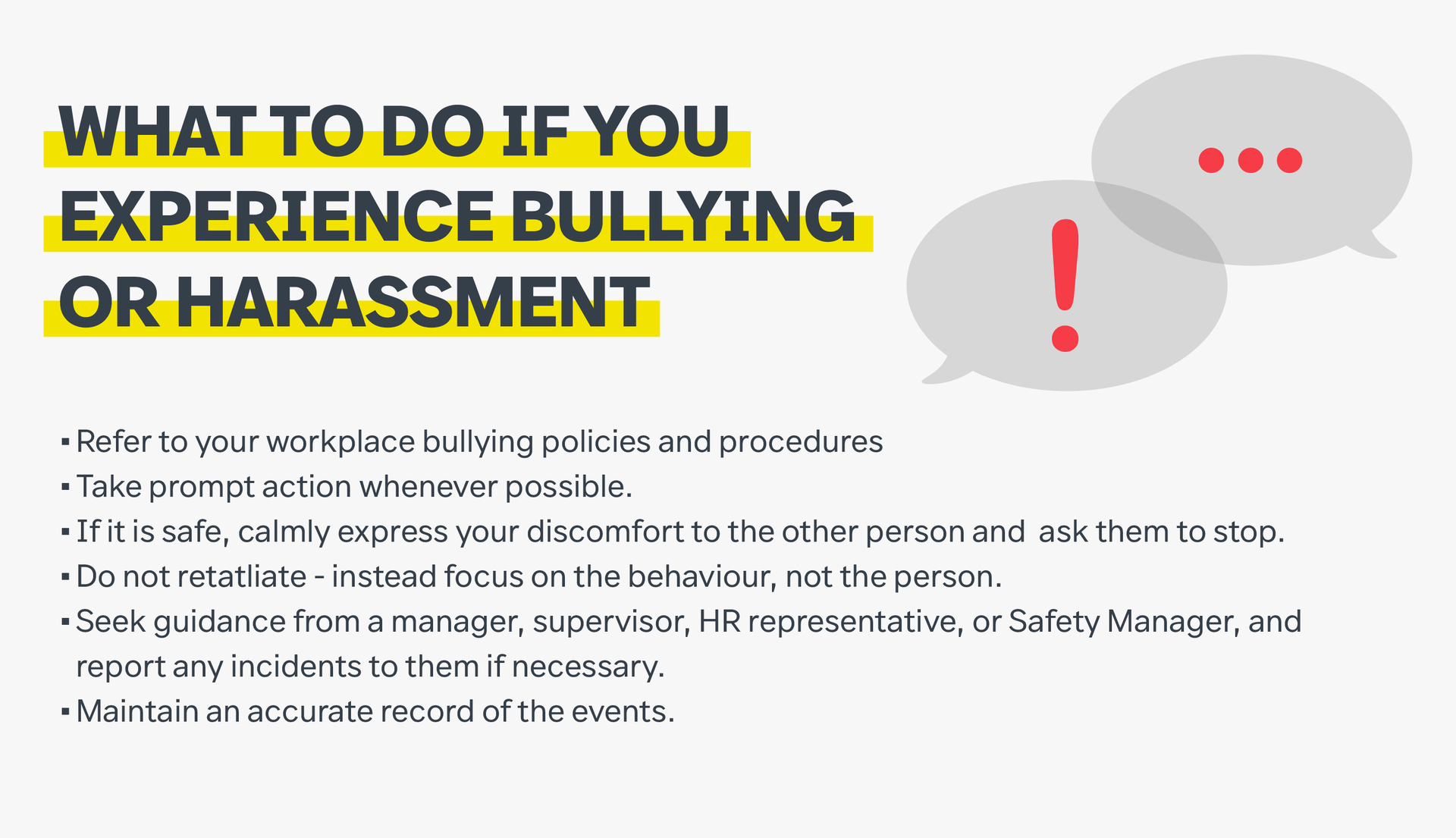
If you are sexually harassed at work there are a number of things that you can do on your own, or with help from others.
For example, you can ask for help from your co-workers or manager or make an internal complaint or report to management or human resources.
You also have the option of seeking help from a government agency. Actions that you can take with the support of these agencies include:
- Making a sexual harassment complaint with an anti-discrimination or human rights body.
- Applying for a stop sexual harassment order (or a stop bullying and sexual harassment order), general protections, unlawful termination or unfair dismissal with the Fair Work Commission.
- Making an application with a state industrial relations body if you have been unfairly dismissed because of the workplace sexual harassment.
- Making a workers’ compensation claim with your employer or through a workers’ compensation organisation if the workplace sexual harassment has caused you physical or mental injury or illness.
- Reporting the workplace sexual harassment as a work health and safety (WHS) issue to a WHS regulator.
More Support:
If you have experienced sexual assault or sexual harassment and feel you would like to speak to someone for support or information,
- 1800RESPECT (Phone: 1800 737 732) can provide counselling 24-hours a day, 7 days a week.
- Bravehearts – Ph: 1800 272 831 – Website: www.bravehearts.org.au
Mental health support services:
- Lifeline 24-hour crisis support and suicide prevention. Ph: 13 11 14 – Website: https://www.lifeline.org.au/
- beyondblue Mental health support. Ph: 1300 224 636 – Website: https://www.beyondblue.org.au/
- Headspace Supports young people aged between 12 and 25 years of age. Ph: 1800 650890 – Website: https://headspace.org.au/
For more information on the Respect @ Work Act, click here.
Remember, if you see something, say something.